RESEARCH
Taking Stock Study
Funded by the California Breast Cancer Research Program, the Taking Stock Study is a multi-year partnership between UCSB, Black Women for Wellness, Silent Spring Institute, LA Grit Media, and Columbia Mailman School of Public Health. The first part of this study documented consumer product use among women living in South Los Angeles to better understand the range, type, frequency, and number of products used by self-identified women living in an urban and industrial environment. The second part of this study is an intervention study that examines whether and how information about product toxicity and being supported with community resources for less toxic product choice, might enable participants to their consumer product exposures.
Skin Lightening Product Use and Impacts
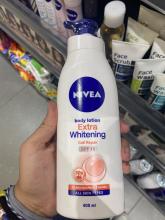
Skin lightening products are widely used in communities and countries around the world. Skin lightening products can be marketed with a range of active ingredients, but can also have illegal ingredients such as mercury. Funded by the National Science Foundation, this project examined skin lightening product use among immigrants from over 30 countries around the world living in the United States. It sought to examine the reasons for use, types of products used, where communities receive their information, and who they trust about scientific information.
Learn more by watching the video below: